What's New
|
GPNF Listed as Fourth Greatest Carbon Storing Forest in the U.S.
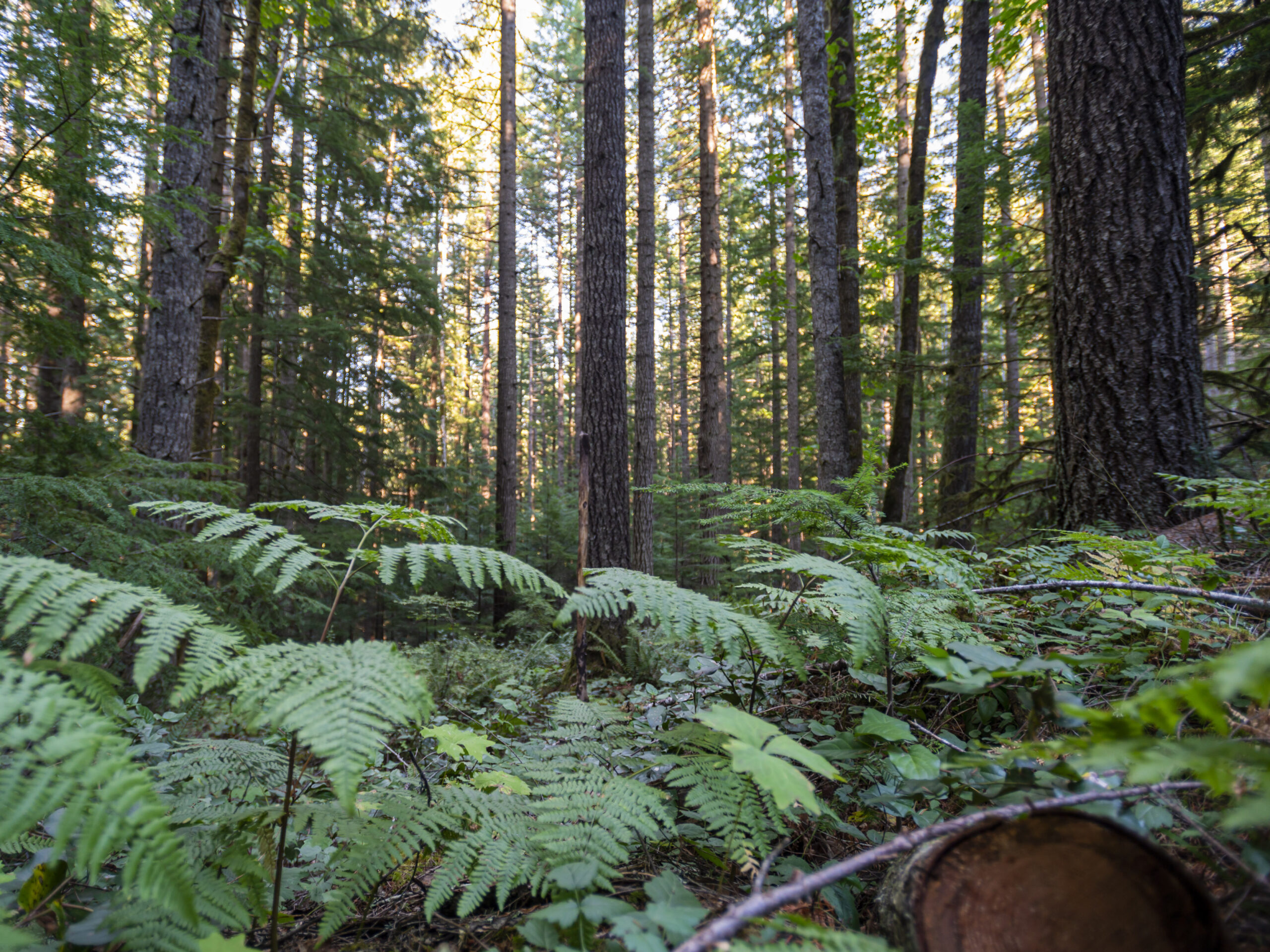
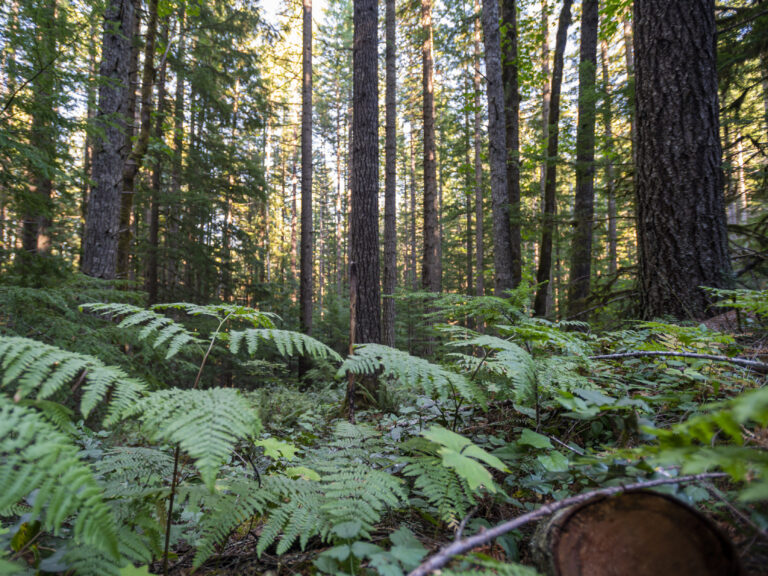
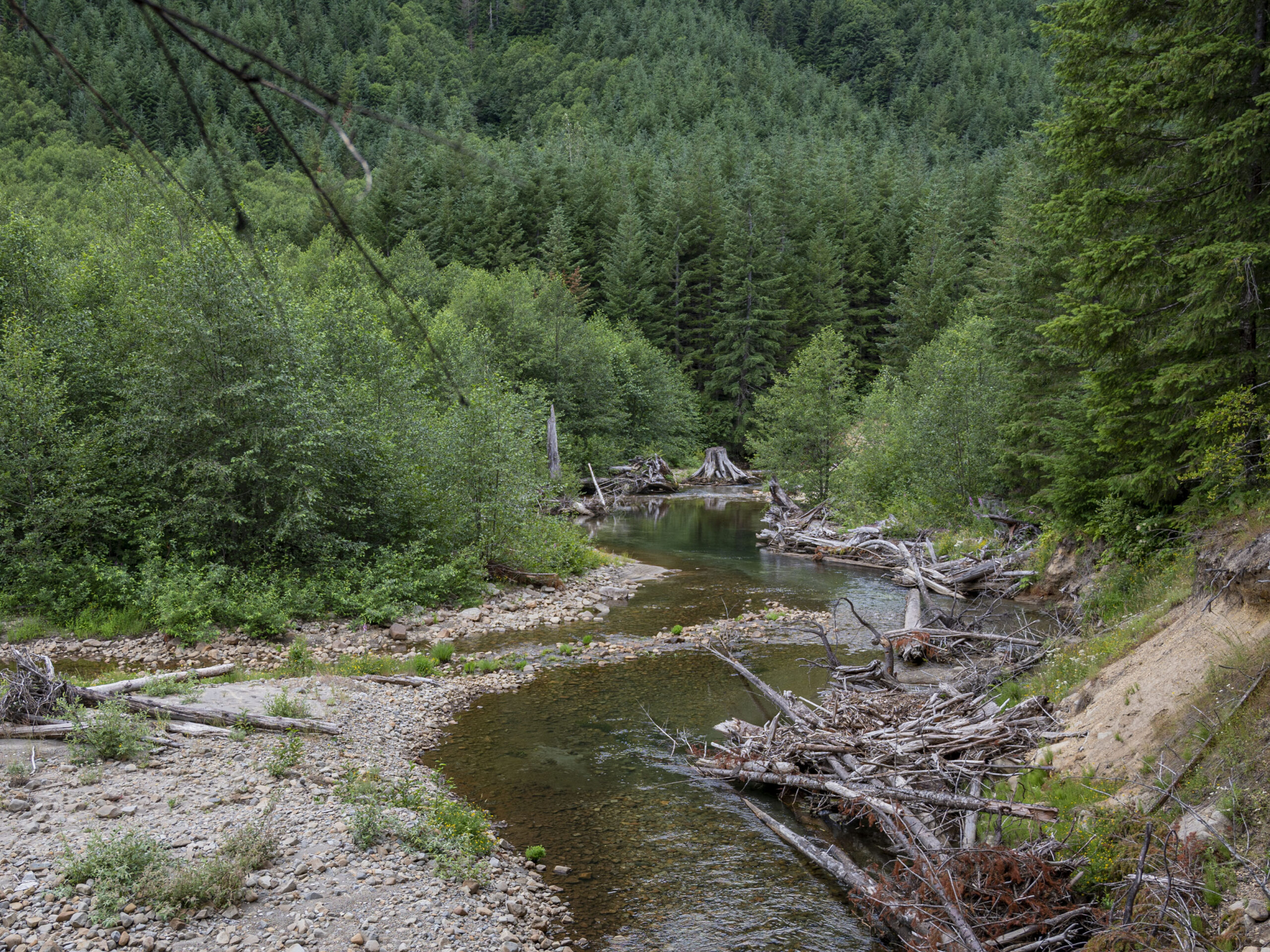
The top ten carbon storing national forests in the U.S. are all found in the moist westside forests in Washington, Oregon and southeast Alaska, according to a new Wilderness Society analysis. The analysis, based on United States Forest Service data, ranks the forests among the Earth’s greatest “carbon banks.” “The mature and old growth forests in the Pacific Northwest and southeast Alaska are among the Earth’s greatest carbon storing ecosystems,” said Dr. Jerry Franklin, Professor of Ecosystem Analysis at the University of Washington’s College of Forest Resources. The ten national forests in the U.S. with the highest carbon density—Willamette (OR), Olympic (WA), Umpqua (OR), Gifford Pinchot (WA), Siuslaw (OR), Mt. Hood (OR), Mt. Baker-Snoqualmie (WA), Siskiyou (OR), Tongass (AK), and Rogue River (OR)— do something that humans can’t see with their own eyes: they breathe in air filled with carbon, such as carbon dioxide, a greenhouse gas that contributes to global warming, and store it within the trees cells, roots and even soil. The study’s conclusions came as no surprise to Kathy O’Halloran, a natural resources staff officer for the U.S. Forest Service assigned to Olympic National Forest, which encompasses more than 630,000 acres. “We grow big trees,” she said. “Carbon storage is one of the benefits of our forest management.” Visit The Wilderness Society’s website for a multi-media release, including a video of one of the top ten forests, photos and a backgrounder on the top 10 carbon storing national forests.
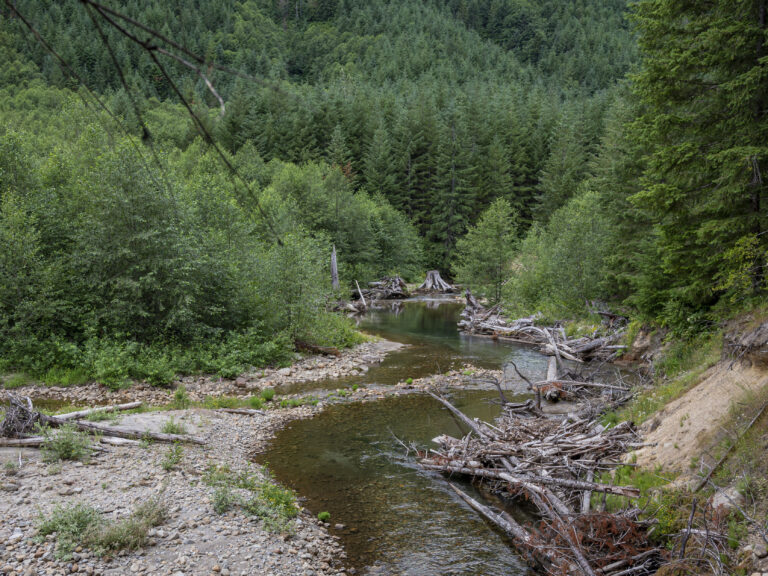
This article from the Los Angeles Times focuses on climate change impacts of Mount Rainier’s melting glaciers on the Puget Sound from rivers that flow off the western side of this Cascade giant. To the south of Mount Rainier lie the lesser known, spectacular rivers and communities of the Cowlitz Valley. The Cowlitz Valley has already experienced massive flooding and damage spurred by Mount Rainier’s changing patterns, and more is likely to come. The good news is that there are things we can do now to avert some of the worst damage. For instance, we could invest in maintaining or upgrading popular and needed roads and remove unneeded roads to protect creeks and sensitive fish populations from massive road failures that are otherwise all but guaranteed. Investing in solutions today provides jobs, improved access to forests and creeks, and protected fish populations. |